
The usual fixes, $150–$600
Elements, thermostats, thermocouples, relief valves: the parts that actually fail, tested and swapped in one visit.
No hot water is a today problem, so we treat it like one. Gas, electric, continuous-flow and heat-pump systems repaired same-day across Manly, and when a system is genuinely done, you get the honest replace-versus-repair numbers, not a sales pitch.
Most of the no-hot-water calls we take in Manly end in a repair, not a skip bin. Electric systems lose elements and thermostats; gas systems lose thermocouples and pilot assemblies; continuous-flow units throw error codes that mean a sensor or a flow problem, not a dead unit. Those are parts, they are stocked on the van, and the fix is measured in hours.
The industry default is the opposite, quote a shiny new system to anyone whose water went cold, because a replacement is worth ten times a thermostat. We diagnose first. A five-year-old tank with a failed element deserves an element. What it does not deserve is a $2,000 replacement because someone could not be bothered testing a $40 part.

Salt-laden ocean air corrodes older metal fittings and joints, weakening pipes and causing leaks and recurring blockages.
A hot water unit mounted outside near the water lives a harder life than the same unit inland. Salt attacks the casing, the fittings and the relief valve, and a tank that might have run fifteen years elsewhere often does not here.
It is worth knowing before you buy the next one. Stainless or a properly protected enclosure costs more up front and is usually the cheaper decision over two replacements.
Capacity complaints are usually a sizing problem rather than a fault: two showers at once, or a bath while the dishwasher runs, exceeding what the unit was specified to deliver. Worth diagnosing before replacing anything.
For food premises hot water is not a comfort, it is a condition of trading. Hand wash basins must deliver warm water at all times the business operates, and an inspector finding otherwise can act on it the same day.
That changes the priority when a commercial unit fails. It is not a scheduled repair, it is the difference between opening and not, and we treat it that way.
The ABS 2021 Census recorded 76.8% of occupied dwellings in Manly as flats or apartments, against 65.6% of NSW dwellings being separate houses. That is why most hot water calls here reach a cupboard unit, a balcony install or a central plant serving the whole block, rather than a tank in a yard.
Every storage unit has a relief valve drain line, and on a property with limited fall or a low-lying yard, that line frequently discharges somewhere it should not, against a wall, into a garden bed, or into a pit that backs up in heavy rain.
It matters because a relief line that cannot discharge freely is a safety device that cannot do its job. It is a quick thing to check and a cheap thing to correct.
Efficient replacements are often simply unavailable in a block. energy.gov.au notes gas heaters are usually installed outdoors because of venting requirements, and heat pumps need open air to draw from, neither of which a third-floor cupboard offers.
Instantaneous units suit apartments well: no stored water to fail into the building, no cylinder taking up a cupboard, and no recovery time when several people shower in sequence.
The trade-off is that they need adequate gas supply and correct flue arrangements, which in an older block is not always straightforward. It is worth establishing what the building can actually accommodate before choosing a replacement.
The temperature and pressure relief valve is the safety device on a storage tank, and it is the part that corrosion reaches first in a coastal setting.
A relief valve that weeps constantly is not merely wasting water, it is a valve on its way to not working when it is needed. It is a small, cheap part, and it should be eased and checked every year rather than left until it seizes.
Elements, thermostats, thermocouples, relief valves: the parts that actually fail, tested and swapped in one visit.
Gas valves and continuous-flow control boards, on systems young enough to deserve the investment.
Installed, like for like. Gas storage lands at $1,200–$2,200 installed.
Installed. Endless hot water, nothing to rust through, and the cupboard back.
Installed, after rebates: and the cheapest of everything to actually run. Worth the comparison on every replacement.
Repair and replacement prices arrive together when the tank is marginal, you decide with both in hand. Figures here are indicative of the 2026 Sydney market rather than a quote from us, you get your own number as a fixed price before any work starts.

System type, age, and what it is doing: that is usually enough to bring the likely part on the van and tell you honestly whether today ends in hot water.
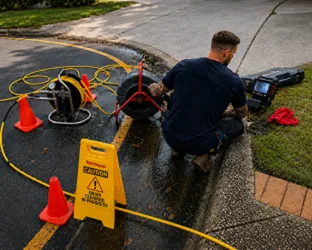
Elements get metered, thermostats tested, gas components checked in sequence. The diagnosis is what the meter says, not what sells best.
A repairable fault gets repaired on the spot. A dying tank gets you the repair price and the replacement price side by side, and the call stays yours.
If it is a replacement: delivered, installed to spec: tempering valve, relief drain, compliant connections: old unit carted away, hot water the same day in most cases.
Call before mid-morning and tonight’s shower is usually hot. Describe the system; the likely part rides along.
Same-day repairs, straight replace-versus-repair numbers, and a fixed price before work starts.

Leave your details and our local Manly team will call you back fast.